
Background
If you’re missing one or more teeth and want a cost-effective and non-invasive solution, a Maryland bridge might be the perfect option for you. Known for its strength, natural appearance, and minimal tooth preparation, the Maryland bridge is a popular choice in restorative dentistry. But what exactly is a Maryland bridge, how does it work, and why might it be the right choice for your dental needs?
In this post, we’ll walk you through everything you need to know about the Maryland bridge from its benefits and how it’s placed, to how long it lasts and what to expect from the treatment process.
What is a Maryland Bridge?
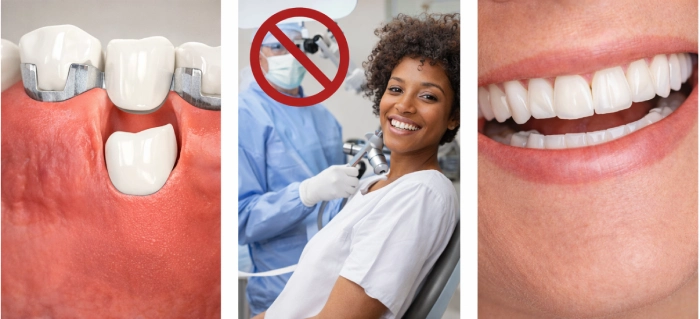
A Maryland bridge is a type of dental bridge used to replace a missing tooth, offering a less invasive and more affordable alternative to traditional bridges and dental implants. Unlike a typical bridge that requires crowns to be placed on adjacent teeth, a Maryland bridge uses metal or porcelain wings that are bonded to the back of your natural teeth, making it a conservative option that requires little alteration to your existing teeth.
How Does a Maryland Bridge Work?
There are two elements to the Maryland bridge:
The Pontic: This is the fake tooth that fills in for the missing tooth. It may be porcelain, metal or a combination of both, according to the aesthetic needs.
The Abutments: These are the anchor supports for the bridge. Maryland bridge wings are fixed to the back of adjacent teeth, leaving them intact, while providing a good aesthetic and functional result.
This style of bridge is most appropriate for people missing one or two teeth in a row (preferably towards the front of the mouth). The Maryland bridge is a common design when the teeth adjacent to the missing tooth are healthy, and stability, function and aesthetics are not likely to be compromised.
Advantages of a Maryland Bridge
A Maryland bridge offers several benefits that make it a popular choice for dental restoration:
Less invasive: Making Maryland bridges does not involve as extensive wear or shaving down of the surrounding teeth in comparison to conventional/bonded ones, so less of your natural tooth structure needs to be altered.
Affordability: This is a less expensive alternative to dental implants, which are more costly and requires a longer process.
Short and Sweet Process: You will need less visits to your dentist in order to get a Maryland bridge, and it can be done within a shorter period of time, especially when compared to the process of how much time it takes to have a dental implant seated.
Natural Look: The pontic and wings of the Maryland bridge are shaped and colored to look just like your natural teeth, so it blends in with your smile.
Conserves Neighboring Teeth: The wings of the Maryland bridge fit to the back of a person’s adjacent teeth (instead of being crowned), so it does not compromise other nearby teeth as much.
How is a Maryland Bridge Placed?
The procedure for placing a Maryland bridge is generally simple and involves two main steps:
Initial Consultation and Preparation:
During the initial appointment, X-rays and impressions of your teeth are taken by your dentist so that a custom Maryland bridge can be created. They will also check the teeth around to make sure they are healthy and strong enough to support the bridge.
Placement of the Maryland Bridge:
Anchoring the bridge is the task of the metal or porcelain wings attached to its rear, as these are affixed by your dentist to backside of the teeth next door. This will take from one to two hours. The pontic is then placed in the space, and the bridge is cemented.
The procedure generally does not require any drilling of the adjacent teeth (unless the dentist needs to reshape them slightly for a better fit), which makes it less invasive compared to traditional dental bridges.
How Long Does a Maryland Bridge Last?
A Maryland bridge can last anywhere from 5 to 15 years, depending on how well you take care of it and the materials used. To maximize the lifespan of your bridge, it’s important to practice good oral hygiene, such as:
- Brushing your teeth and bridge at least twice a day.
- Flossing daily to remove food particles and plaque from around the bridge.
- Avoiding chewing on hard foods or objects that could damage the bridge.
Routine dental check-ups are also essential to ensure the Maryland bridge remains secure and in good condition.

When Should You Consider a Maryland Bridge?
A Maryland bridge is a great option for replacing one or two missing teeth, especially in the front of your mouth. It’s ideal for people who:
- Have healthy teeth on either side of the gap.
- Prefer a non-invasive solution to replace missing teeth.
- Want a cost-effective option compared to dental implants.
- Are looking for a faster solution to restore their smile.
However, if you are missing multiple teeth or have severely damaged surrounding teeth, your dentist may recommend alternative treatments like dental implants or full dentures.
Conclusion: Is a Maryland Bridge Right for You?
A Maryland bridge is a conservative and affordable solution for those looking to replace one or two missing teeth, especially in the front of the mouth. If you’re interested in a quick, minimally invasive procedure with natural-looking results, a Maryland bridge could be the ideal option for you. It offers significant benefits, including a shorter recovery time, minimal tooth preparation, and cost savings when compared to other tooth replacement methods like implants.
If you’re considering a Maryland bridge, it’s important to consult with a qualified dentist who can evaluate your needs and determine if it’s the right option for restoring your smile.